 708.403.2626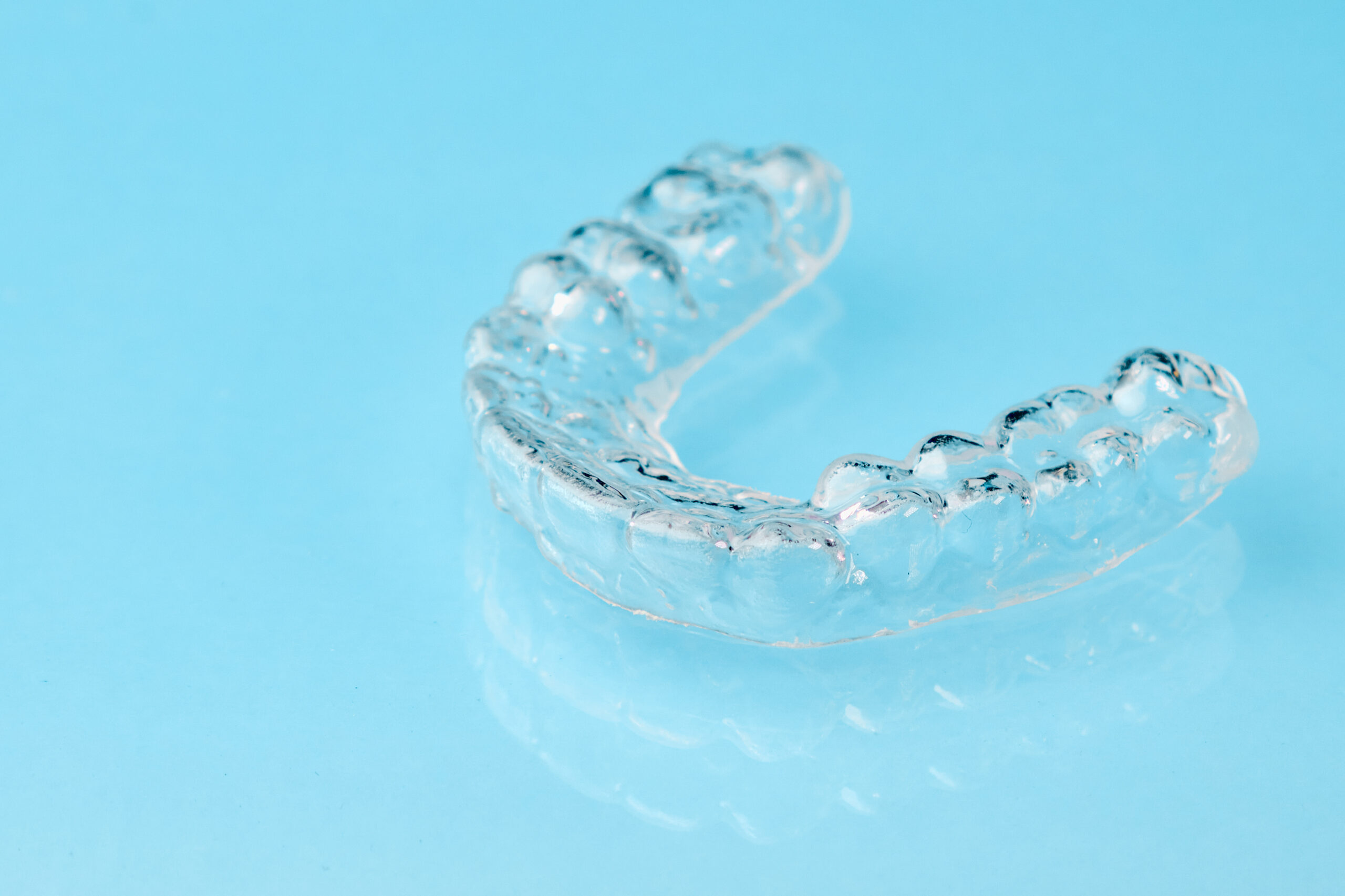



Aligners Under the Microscope: The Science and Design of Modern Orthodontics
When you put on a clear aligner, you might think it’s just a simple plastic tray. But actually, clear aligners are the result of years of research and advanced technology. From your first scan to your final smile, a lot of science and planning happens behind the scenes to help your teeth move into just the right place.
The clear aligner market is growing fast, with the global market reaching $5 billion in 2024 and projected to exceed $13.4 billion by 2030. This growth is happening because more people want braces that are hard to see, and new technology is making aligners work even better for more types of smiles.
How It Starts: High-Tech Scanning
Everything begins with an accurate 3D scan of your teeth. Today, orthodontists use special scanners, like the iTero Lumina, to take thousands of pictures each second and build a digital model of your mouth.
These scanners are very advanced. They can capture photorealistic images and detailed shapes of your teeth and gums. Some scanners even use new features like photogrammetry to get extra-precise results, and some use cloud computing to make the process even faster.
What’s great about these digital scans is that your orthodontist can look at your teeth from any angle, measure everything exactly, and even see how your teeth might move during treatment. Unlike old molds, these digital scans stay perfect throughout your whole treatment.
Making a Plan: How Your Treatment Is Designed
After your scan, your orthodontist uses computer software to plan how your teeth will move. This software uses artificial intelligence and data from millions of other cases to figure out the best way to move your teeth. Still, your orthodontist makes the final decisions to make sure the plan is just right for you.
Some teeth need extra help to move, so your doctor might add small, tooth-colored bumps called attachments. These give your aligners a better grip so they can move your teeth more efficiently. Research shows that planning the order and direction of each tooth’s movement is important so that different forces don’t fight each other and slow things down.
The Special Plastic Behind Aligners
Aligners aren’t made from just any plastic. They use advanced materials like PETG and TPU. Studies show that PETG is clear and comfortable, while TPU-based plastics like SmartTrack are extra stretchy and keep working longer.
How the aligners are made also matters. When plastic is heated and shaped over a model of your teeth, it can change thickness and texture. Research found that this process can make the plastic thinner and rougher, but companies have figured out how to make up for this.
There are even newer plastics, like shape-memory polymers, that could one day let aligners change shape by themselves inside your mouth, but these are still being improved.
How Aligners Are Made
Most aligners are made by heating plastic sheets and forming them over 3D models of your teeth. This works well, but sometimes the plastic gets too thin in certain spots. Making a physical model for each step can also take time.
A new method is direct 3D printing, where aligners are printed layer by layer out of special resins like Graphy’s Tera Harz TC-85, which are FDA-approved for moving teeth. This lets orthodontists control the thickness in every spot and even add special pressure zones.
However, safety is very important. If these aligners aren’t made exactly right, leftover resin could cause allergies. As technology improves, more orthodontists will use 3D printing for custom aligners.
How Aligners Move Your Teeth
Aligners work differently from traditional braces. Braces use wires and brackets to pull teeth, but aligners use gentle pressure all around each tooth. When you put an aligner on, it slightly bends to fit your teeth, and this bend creates the force that moves your teeth.
Research shows that tooth shape affects how well they move—rounded teeth are harder to turn than pointy ones. Attachments help aligners grip better for tough movements like rotations. Studies also show that where these attachments are placed can change how well your teeth move.
The way your aligner is cut, called the trimline, also matters. One study found that aligners cut a little bit below the gums give better control. Bigger teeth like molars need more force, so orthodontists plan movements carefully for each tooth.
The Future of Aligners
Aligner technology is getting better all the time. Artificial intelligence helps plan treatments, and scientists are working on new plastics that will make aligners even more comfortable and effective. Some companies are now making over a million custom aligners every day.
Remote check-ins are also becoming common. Patients can send pictures to their orthodontist with an app so they don’t have to visit the office as much. Companies are even working on eco-friendly aligners to help the environment.
Science + Orthodontists = Your Best Smile
Modern aligners work so well because they combine amazing technology and the skill of your orthodontist. Every step is planned with care, from the first scan to the final tray. The science behind aligners keeps improving, making treatment more comfortable and predictable.
If you want to learn more about clear aligners or start your own smile journey, the friendly team at Sonneveld Orthodontics is here to help. Contact us to set up a consultation or ask any questions. We can’t wait to help you smile with confidence!