 708.403.2626
You may have noticed your teeth don’t seem to line up correctly, your bite feels uncomfortable, or you’ve been told you may need braces or Invisalign®. These are often signs of common orthodontic problems. While some bite issues mainly affect the appearance of your smile, others can make it more difficult to chew, speak clearly, or keep your teeth clean.
The good news is that many orthodontic problems can be successfully treated with today’s advanced treatment options. At Sonneveld Orthodontics, we help children, teens, and adults throughout Tinley Park, Orland Park, and the surrounding communities achieve healthier bites and more confident smiles with personalized orthodontic care.
Correct Your Smile With Tinley Park Braces
Whether your teeth are crowded, unevenly spaced, or your bite doesn’t line up properly, orthodontic treatment can improve both the health and appearance of your smile. Dr. Sonneveld provides personalized treatment plans using braces, Invisalign®, and other modern orthodontic solutions to correct a wide range of bite concerns.
Below are some of the most common orthodontic problems in Orland Park we treat and how professional orthodontic care can help restore proper alignment and long-term oral health. If you are experiencing specific braces issues in Orland Park, our team is here to provide the expert care you need.
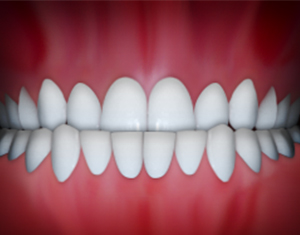
Underbite
An underbite occurs when the lower front teeth sit in front of the upper front teeth. Depending on its severity, it can affect chewing, speech, and jaw comfort. Orthodontic treatment can help improve both bite function and smile alignment.
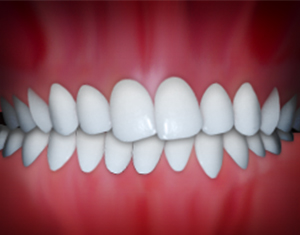
Crossbite
A crossbite occurs when one or more upper teeth bite inside the lower teeth. Left untreated, it can contribute to uneven tooth wear, jaw strain, or bite problems over time. Early orthodontic treatment often helps guide healthier alignment.
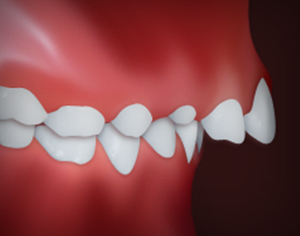
Upper Front Teeth Protrusion
Upper front teeth protrusion occurs when the upper teeth extend too far forward beyond the lower teeth. This can affect both appearance and bite function while increasing the risk of dental injuries. Orthodontic treatment helps improve alignment and protect your smile.
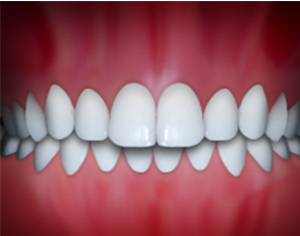
Overbite
An overbite occurs when the upper front teeth overlap the lower front teeth more than normal. A deep overbite may contribute to uneven tooth wear, jaw discomfort, or gum irritation. Orthodontic treatment can restore a healthier bite.
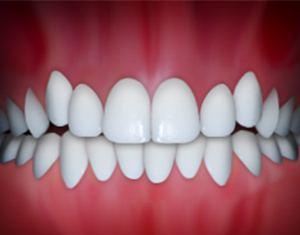
Crowding
Crowding occurs when there isn’t enough room for teeth to erupt properly. Overlapping teeth can make brushing and flossing more difficult while increasing the risk of plaque buildup. Orthodontic treatment creates space for a healthier, easier-to-clean smile.
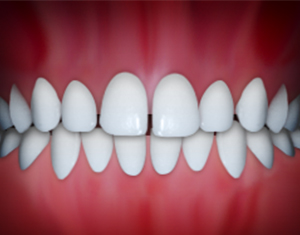
Spacing
Spacing occurs when gaps develop between teeth. While some spaces are cosmetic, others can affect bite alignment or allow teeth to shift over time. Orthodontic treatment can create a more balanced, even smile.
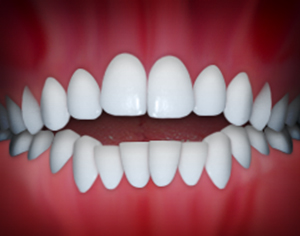
Openbite
An open bite occurs when the upper and lower front teeth don’t touch when the mouth closes. This can make biting into foods and speaking clearly more difficult. Orthodontic treatment helps improve bite function and alignment.
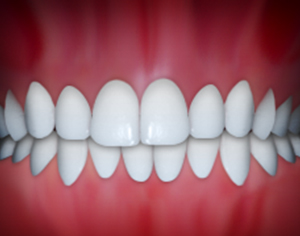
Dental Midlines not Matched
Dental midlines don’t match when the center of the upper and lower teeth isn’t properly aligned. This can affect bite balance, smile symmetry, and overall function. Orthodontic treatment helps improve alignment for a healthier smile.
If your teeth are crowded, have noticeable gaps, don’t fit together comfortably, or you’ve been experiencing bite or jaw discomfort, an orthodontic evaluation can determine whether treatment is recommended.
Absolutely. Orthodontic treatment isn’t just for children and teens. Many adults choose braces or Invisalign to improve their bite, oral health, and confidence.
Not always. The best treatment depends on the type and severity of the orthodontic problem. During your consultation, Dr. Sonneveld will recommend the treatment option that’s right for your smile.
Yes. Invisalign can successfully treat many cases of crowding, spacing, overbites, and other common orthodontic concerns. More complex bite issues may be better suited for braces or other orthodontic appliances.
The American Association of Orthodontists recommends children receive their first orthodontic evaluation by age 7. Early evaluations help identify developing bite issues, even if treatment isn’t needed right away.